







 Share
Share








Does Size Matter? The Science Behind Thermal Lesioning
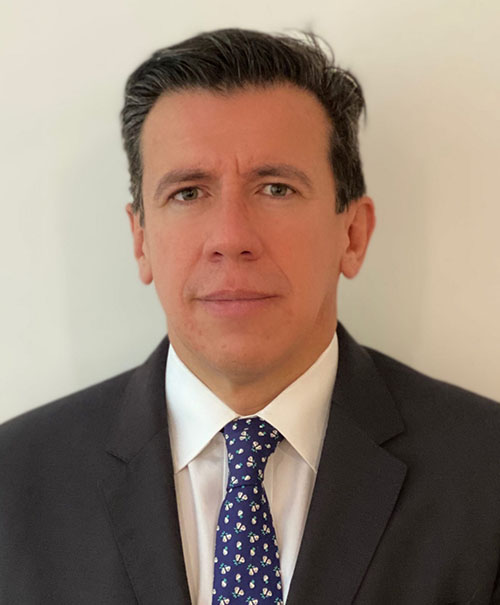
Dr. Ricardo Vallejo discusses radiofrequency ablation (RFA) lesioning. He starts with an overview of the challenges associated with RFA, then provides evidence-based solutions that increase the efficacy of the procedure.
[show_more more="Read More" less="Read Less"]Dr. Vallejo identifies several key factors that affect lesion size, including needle size, temperature, time of lesioning, and tissue type. He also discusses the use of cool RF and bipolar RF. Dr. Vallejo concludes by discussing the value of improved anatomical targets for enhanced clinical outcomes.
[/show_more]


