








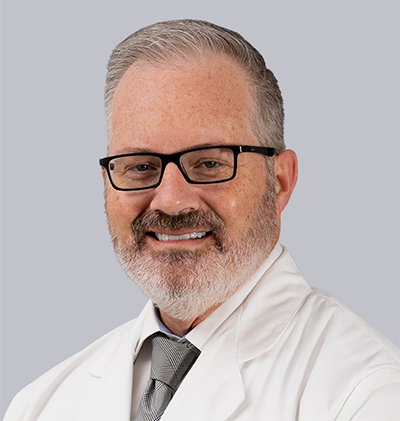
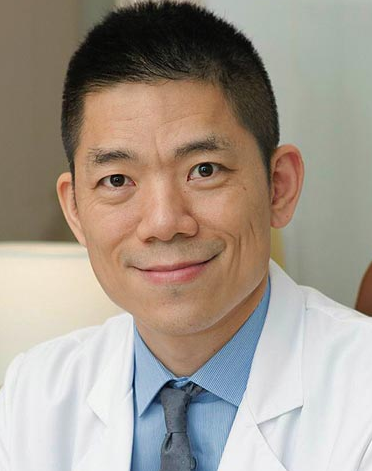
This powerful presentation explores the role of intrathecal neurolysis in managing refractory cancer pain in palliative care. Highlighting that 30% of cancer patients do not respond to standard multimodal...
This presentation explores lumbar spinal stenosis and the evolution of minimally invasive treatments, focusing on fusion techniques for patients with instability. The speaker reviews the stages of spinal stenosis,...
In this expert-level lecture, Dr. Day presents a thorough and practical overview of Persistent Idiopathic Facial Pain (PIFP)—a complex, underdiagnosed condition often mistaken for trigeminal neuralgia. He emphasizes the...
The session reviews the sphenopalatine ganglion (SPG), its anatomy, functions, and role in pain syndromes like cluster headaches, trigeminal neuralgia, and migraines. Located in the pterygopalatine fossa, SPG integrates...
This deeply personal talk explores over a decade of work in advancing 10 kHz spinal cord stimulation (SCS) for patients with chronic axial low back pain who have never...
This presentation critiques the current state of interventional pain medicine, highlighting its shift from a patient-centered model to a procedure-focused approach, often ignoring psychological and social factors that perpetuate...
In this visionary talk, Dr. Tim Deer explores the future of human performance and neuromodulation, predicting radical advances over the next decade. From brain-computer interfaces, spinal neurostimulation for paralysis...
This presentation emphasizes the importance of mentorship in medicine, particularly during transitions from training to practice and beyond. A mentor provides professional guidance, skill development, and emotional support throughout...
This presentation delves into the long-term outcomes, durability, and efficacy of dorsal root ganglion (DRG) stimulation as a treatment for chronic pain, particularly CRPS. Unlike traditional spinal cord stimulation...
This presentation explores the evolving role of artificial intelligence (AI) in pain medicine, highlighting its history, applications, and challenges. AI began in the 1950s and now includes machine learning,...
This presentation explores restorative neurostimulation as a breakthrough therapy for patients with chronic mechanical low back pain and multifidus dysfunction. Unlike palliative neuromodulation techniques, this therapy targets the L2...
This session explores therapeutic strategies for painful diabetic neuropathy (PDN), highlighting its prevalence and treatment challenges. First-line medications like pregabalin, gabapentin, and duloxetine often provide limited relief with significant...
This insightful talk explores how knowledge and perception drive diagnostic excellence in spine care, especially through imaging. Dr. Douglas Beall emphasizes that "you see what you know," urging physicians...
This thought-provoking lecture reflects on the evolution of neuromodulation for pain management, starting from early gate control theory to cutting-edge insights on neuroinflammation and glial cell involvement. Dr. Ricardo...
This presentation explores the transformative power of biotechnology and emerging technologies in healthcare. Topics include stem cell therapy, gene editing (CRISPR), CAR-T therapy, 3D bioprinting, and brain-computer interfaces like...
This presentation highlights often-overlooked medical and metabolic causes of spine disease, emphasizing their importance for comprehensive pain management. Conditions such as myelopathy (cervical, thoracic, cauda equina), metabolic disorders (osteoporosis,...
n this passionate keynote, Dr. Douglas Beall challenges the idea of a “gap” in pain care between Latin America and the rest of the world, proposing instead that unique...
This presentation covers percutaneous lumbar facet fusion as an emerging treatment for patients with axial low back pain unresponsive to conservative therapies, radiofrequency ablation, or surgical neurotomy. Dr. Didier...
In this engaging presentation, Dr. Brian Durkin shares his personal and clinical experience with basivertebral nerve (BVN) ablation for treating vertebrogenic low back pain. With over 360 cases performed—including...
This groundbreaking talk introduces the concept of the "Pain Trinity"—inflammation, disruption, and junctional adhesions—as key pain generators in regenerative pain medicine. While inflammation and disruption are well understood and...
Dr. Lorand Eross discusses the potential for spinal cord stimulation (SCS) beyond therapy. He reviews the common forms of SCS stimulus and reviews novel approaches to SCS stimulation, including fast-acting sub-threshold stimulation, contour stimulation, and combination therapy. He highlights differential target multiplexed stimulation and its ability to change ion channels through gene expression modulation, as well as closed loop SCS and ARC therapy to restore functionality. Dr. Eross analyzes the progress made in neuromodulation over the past 20 years and compares it to developments in brain-computer interface (BCI) technology. He details the interesting area of research exploring BCI for neuromodulation.
This powerful presentation explores the role of intrathecal neurolysis in managing refractory cancer pain in palliative care. Highlighting that 30% of cancer patients do not respond to standard multimodal...
This presentation explores lumbar spinal stenosis and the evolution of minimally invasive treatments, focusing on fusion techniques for patients with instability. The speaker reviews the stages of spinal stenosis,...
In this expert-level lecture, Dr. Day presents a thorough and practical overview of Persistent Idiopathic Facial Pain (PIFP)—a complex, underdiagnosed condition often mistaken for trigeminal neuralgia. He emphasizes the...
The session reviews the sphenopalatine ganglion (SPG), its anatomy, functions, and role in pain syndromes like cluster headaches, trigeminal neuralgia, and migraines. Located in the pterygopalatine fossa, SPG integrates...
This deeply personal talk explores over a decade of work in advancing 10 kHz spinal cord stimulation (SCS) for patients with chronic axial low back pain who have never...
This presentation critiques the current state of interventional pain medicine, highlighting its shift from a patient-centered model to a procedure-focused approach, often ignoring psychological and social factors that perpetuate...
In this visionary talk, Dr. Tim Deer explores the future of human performance and neuromodulation, predicting radical advances over the next decade. From brain-computer interfaces, spinal neurostimulation for paralysis...
This presentation emphasizes the importance of mentorship in medicine, particularly during transitions from training to practice and beyond. A mentor provides professional guidance, skill development, and emotional support throughout...
This presentation delves into the long-term outcomes, durability, and efficacy of dorsal root ganglion (DRG) stimulation as a treatment for chronic pain, particularly CRPS. Unlike traditional spinal cord stimulation...
This presentation explores the evolving role of artificial intelligence (AI) in pain medicine, highlighting its history, applications, and challenges. AI began in the 1950s and now includes machine learning,...
This presentation explores restorative neurostimulation as a breakthrough therapy for patients with chronic mechanical low back pain and multifidus dysfunction. Unlike palliative neuromodulation techniques, this therapy targets the L2...
This session explores therapeutic strategies for painful diabetic neuropathy (PDN), highlighting its prevalence and treatment challenges. First-line medications like pregabalin, gabapentin, and duloxetine often provide limited relief with significant...
This insightful talk explores how knowledge and perception drive diagnostic excellence in spine care, especially through imaging. Dr. Douglas Beall emphasizes that "you see what you know," urging physicians...
This thought-provoking lecture reflects on the evolution of neuromodulation for pain management, starting from early gate control theory to cutting-edge insights on neuroinflammation and glial cell involvement. Dr. Ricardo...
This presentation explores the transformative power of biotechnology and emerging technologies in healthcare. Topics include stem cell therapy, gene editing (CRISPR), CAR-T therapy, 3D bioprinting, and brain-computer interfaces like...
This presentation highlights often-overlooked medical and metabolic causes of spine disease, emphasizing their importance for comprehensive pain management. Conditions such as myelopathy (cervical, thoracic, cauda equina), metabolic disorders (osteoporosis,...
n this passionate keynote, Dr. Douglas Beall challenges the idea of a “gap” in pain care between Latin America and the rest of the world, proposing instead that unique...
This presentation covers percutaneous lumbar facet fusion as an emerging treatment for patients with axial low back pain unresponsive to conservative therapies, radiofrequency ablation, or surgical neurotomy. Dr. Didier...
In this engaging presentation, Dr. Brian Durkin shares his personal and clinical experience with basivertebral nerve (BVN) ablation for treating vertebrogenic low back pain. With over 360 cases performed—including...
This groundbreaking talk introduces the concept of the "Pain Trinity"—inflammation, disruption, and junctional adhesions—as key pain generators in regenerative pain medicine. While inflammation and disruption are well understood and...